Tara
Unknown, c.700AD
Overview
About This Work
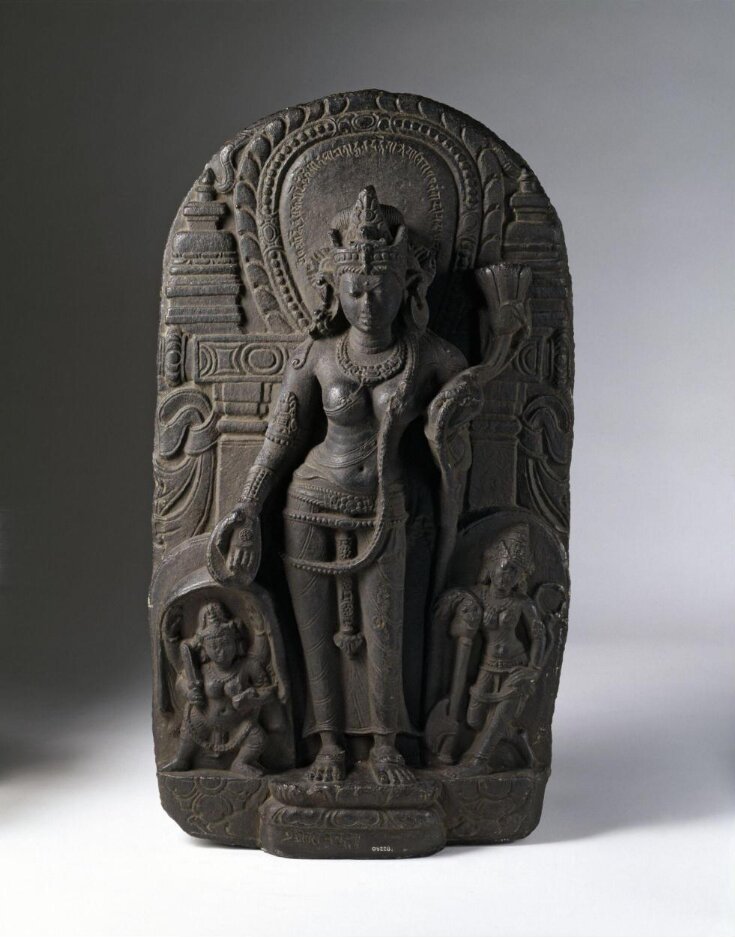
Tara (c. 700 AD) is a standing bronze figure of the Buddhist goddess Tara, one of the most important female deities in Mahayana and Vajrayana Buddhism. The sculpture dates to approximately the 7th–8th century and represents either the renowned British Museum example (height approximately 60 cm) or similar contemporary works from Nepal, Tibet, or Sri Lanka. Cast in bronze and gilded with gold, the sculpture depicts Tara in standing posture with her characteristic gesture of compassion (varada mudra)—her right hand extended in a gesture of giving and blessing. The figure combines spiritual authority with sensual beauty: Tara wears an elaborate crown (jatamukuta), jewellery, and a diaphanous skirt, presenting her as both divine and accessible. The work exemplifies the sophisticated metal-casting techniques developed in the Himalayan region, particularly by Newar artisans of Nepal. Tara was originally one of the most venerated deities in eastern Indian Buddhism (particularly in Bengal), and her cult spread to Tibet in the 11th century through the Buddhist teacher Atisha, becoming central to Tibetan Buddhist practice. The sculpture functions not merely as representational art but as a devotional focus for meditation, believed to embody and transmit the compassion and wisdom Tara represents.